
Brain Snacks #013: Rabbit-Duck Test, Sports Illustrated Cover Curse and The First Abolionist
How two different perspectives might be both right, the powerful reversion to the mean concept and the amazing story of Benjamin Lay

Welcome to this week's edition of Brain Snacks. I share three short, exciting stories every Sunday to inspire your week.
There are weeks when I feel inspired, and I have the Snacks ready Sunday morning. And then there are weeks like this week where I procrastinated until the last minute. But I am keeping the promise of making sure I get them out of the door every Sunday, so here I am.
I hope you enjoy this week’s snacks.
Brain Snack #1: Rabbit-Duck Test
Which animal do you see in the following image?
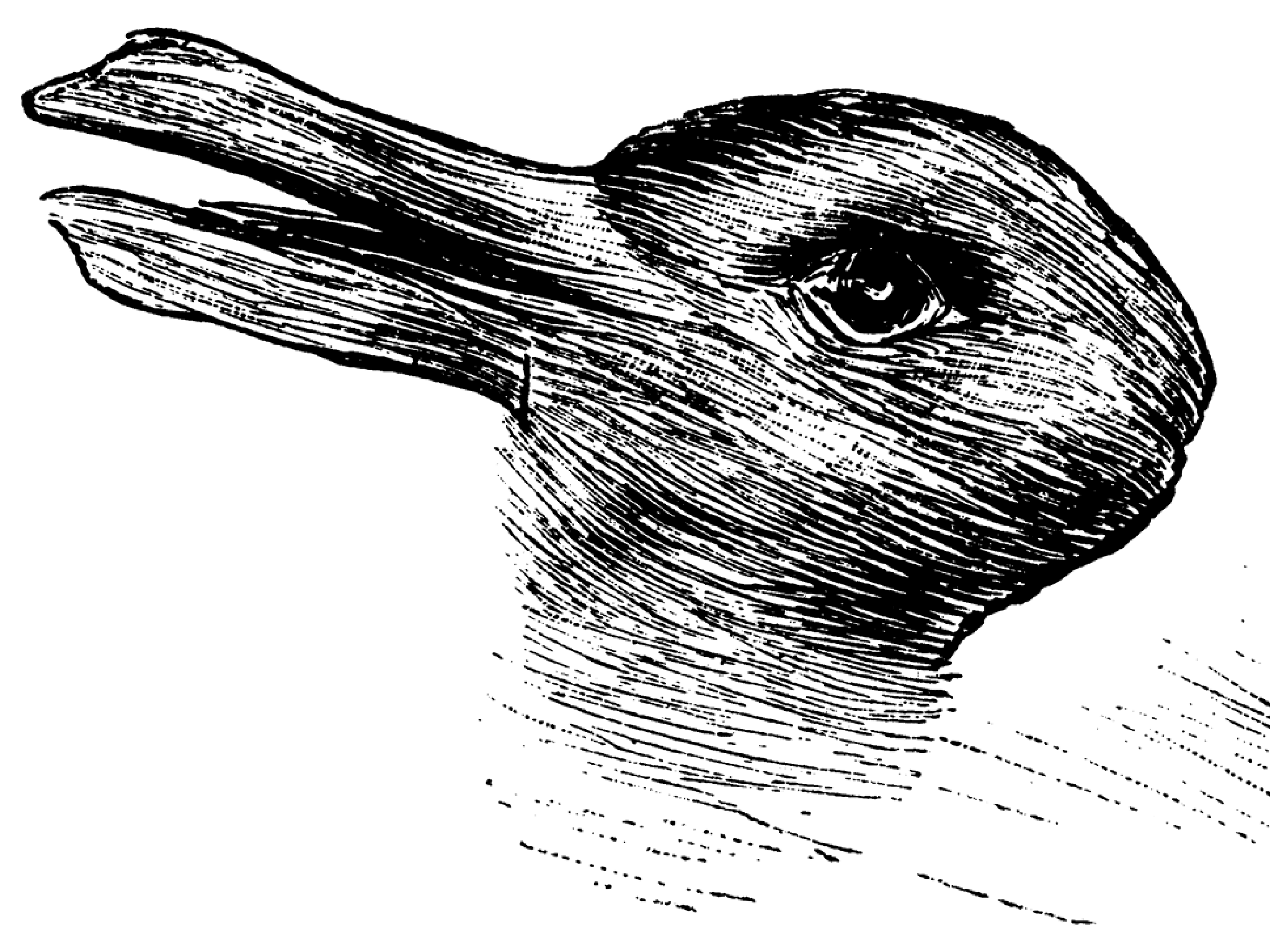
Some people see a duck, while others see a bunny in the image above. This optical illusion, known as the rabbit-duck test, challenges viewers' perceptions. Although various theories exist about why different people see different animals, the precise reason remains uncertain.
What is clear is that human perception is influenced by recent experiences. The rabbit-duck test exemplifies this. Most participants identify the image as a duck on a regular weekend. However, people are more likely to see a rabbit during Easter, as their minds are primed by the holiday's connection to bunnies.
Many subjects, like the rabbit-duck test, lack a single right answer, and two different perspectives can be valid. It's crucial to remember this when discussing sensitive topics with others. Even if we're convinced the answer is a rabbit, it's worth considering whether a duck might be hidden in our perspective.
Go deeper: Textualism and the Duck-Rabbit Illusion
Brain Snack #2: Sports Illustrated Cover Curse
The "Sports Illustrated cover curse" claims that athletes featured on the magazine's cover typically underperform the following year. While this makes an intriguing story, mathematics offers a plausible explanation.
The phenomenon can be attributed to "reversion to the mean," a statistical concept that suggests that an extreme performance deviating from one's historical average will likely be followed by a result closer to that average. In the case of Sports Illustrated athletes, their cover-worthy year is often an outlier marked by exceptional performance. As a result, the next year's performance reverts to its historical average, appearing lower in comparison.
Reversion to the mean does not indicate a decline in the athlete's talent or skill. Instead, it acknowledges that performance fluctuates around a central value, influenced by factors like luck, team dynamics, or injuries. Exceptional performance often involves some degree of luck, which is unlikely to last indefinitely.
Reversion to the mean is prevalent in finance and other aspects of life where luck plays a part. While skill is crucial for success, luck can temporarily boost or hinder performance. Recognizing reversion to the mean helps us maintain a balanced perspective on success and failure, appreciating the complex interplay of factors involved.
Go deeper: Regression Toward the Mean: An Introduction with Examples
Brain Snack #3: The First Abolitionist
A mere 300 years ago, human slavery was widely accepted, inflicting unimaginable suffering. The world we live in today is vastly different, in part due to the actions of Benjamin Lay, often regarded as the first slave abolitionist.
Benjamin Lay, born in England in 1682, was a Quaker—a member of a progressive Protestant religious society that believed in spiritual equality and the presence of God in every person. His work as a merchant led him to Barbados, where he witnessed the appalling treatment of slaves.
This experience turned Benjamin Lay into a passionate activist determined to expose the cruelty of slavery. Lay staged dramatic public demonstrations to make his point. For example, he braved winter cold with one barefoot to feel what slaves had to endure, kidnapped a slaveholder's child, and dramatically stabbed a blood-colored juice-filled Bible at a Quaker meeting. His bold actions laid the foundation for future abolitionists and played a crucial role in ending the slave trade.
Not only was Lay an abolitionist, but he also championed animal welfare as a vegetarian. Challenging the status quo takes courage, and while we celebrate his accomplishments now, it's important to remember the personal struggle he faced during his time. Reflecting on Lay's story, we should consider which practices we accept today that future generations may deem inhumane.
Go deeper: 316. The First Abolitionist - The Rest is History Podcast